Build a frontier
veterinary practice.
Every figure on this site is a document’s own. None of it is ours.
FDA drug labelsIndicationsDosage and administrationContraindicationsWarningsAdverse reactionsopenFDA adverse event countsStorageCAPC parasite guidelinesHeartwormFleas and ticksGiardiaASPCA plant recordsToxic principlesClinical signsSet idsRetrieval dates
Built from the documents themselves,not from what anyone remembers of them.
163
FDA veterinary drug labels for dogs and cats, reprinted section by section from the DailyMed release, each with its FDA adverse event record beside it.
CAPC parasite guidelines
108
Quoted section by section, seventy words at a time, and linked to the guideline, which stays the authority.
ASPCA plant records
1,022
Toxic or not to dogs, cats and horses, the toxic principles and the clinical signs, in the record’s own words.
Sentences written from memory
0
Documents from DailyMed, openFDA, the Companion Animal Parasite Council, and the ASPCA Animal Poison Control Center.
The reference, the note, the discharge
The reference is live and free to read. The note and the discharge are being built with the practices that will use them, and this page says which is which.
Join the listThe reference layer
Live now. 163 FDA labels reprinted section by section with the adverse event record beside each, 108 CAPC guidelines quoted, 1,022 ASPCA plant records. Free to read.

The clinical note
In build. Talk through the exam the way you already do, and Glarda drafts the SOAP note in your own format, for you to read and correct before you sign it.
Discharge in writing
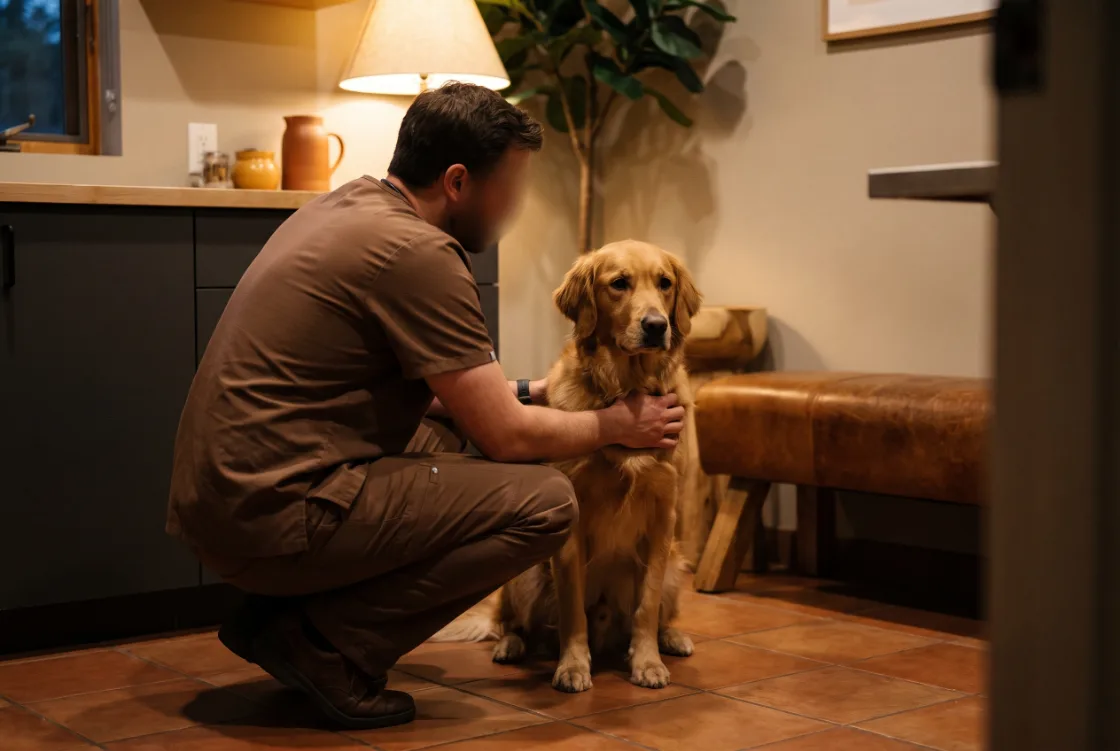
In build. The client leaves with instructions that match what you actually said, in plain words, written from this visit rather than edited from a generic block.
What makes a reference worth checking?
Anyone can summarise a label. What decides it is whether the page is the label, whether the date it was copied is printed on it, and whether something fails the build the day the page drifts from its source.
Looked up
Carprofen, dog
FDA label
Heartworm
CAPC guideline
Sago palm
ASPCA record
The label the guideline, the record
The page is the document
A drug page reprints the FDA label section by section, in the label's own words, with the set id, the manufacturer and the date it was copied from DailyMed. Nothing is summarised or reworded.
Stored
Bytes, hash, retrieval date
sha256
Read back on every build
This build
Carprofen label
DailyMed, stored
Heartworm guideline
CAPC, stored
Sago palm record
ASPCA, stored
Read back on every build
Every document is stored with a hash of the bytes that were read. A checker compares each published page to its stored source and fails the build if a page has drifted by a character.
Template
Your practice’s layout
SOAP
Glarda writes into yours
This visit
Draft / for review
Your headingsYour phrasingYour shorthandNothing added
The note, in your format
In build. You already write notes a particular way. Glarda fills your headings and keeps your shorthand, and it does not add a sentence nobody in the room said. You edit it first.
The visit in the shape your record expects
Written to
SpeciesSignalmentBody weightVitalsProblem listAssessmentMedicationsRecheck
Built around the record
Planned, not built. The note is designed to land in the fields ezyVet, Cornerstone, AVImark or Pulse already keep, rather than as a wall of text to paste and tidy. None of those integrations exists yet.
Per seat, per month. Nothing else.
The reference layer is free to read and stays that way. These tiers are for the note and the discharge, priced per veterinarian rather than per note or per minute, and none of them is open yet.
Join the listSingle vet
For one veterinarian writing up their own cases all day.
$59.00 /month
- Notes in your own format
- Charts, dosages and lab ranges
- Discharge instructions written
- Email support
Small practice
For a two to five vet clinic sharing one set of templates.
$249.00 /month
- Shared templates across the team
- Every clinical reference page there is
- Notes exported for your own record
- Priority support
Whole hospital
For a hospital running shifts, relief vets and interns.
$899.00 /month
- Seats for relief and locum vets
- Per-clinician note settings
- Full note history and export
- 24/7 support
The part of the job that follows you home
Not a study, and not a claim. Just the part of the day nobody schedules.
“The last appointment ends. The notes from it still get written hours later.”
SourceGeneral practiceEnd of the day
“A note written hours later is written from memory, not from the room.”
SourceThe records backlogWritten from memory
“Charting during the consult means typing while the owner is still talking, and looking at a screen not the animal.”
SourceThe exam roomDuring the consult
“A referral or a case review is read by someone who was not in the room. What was said there does not help them. The record is all they get.”
SourceReferral and reviewRead cold
The templates vets look for first
Plain answers to the questions a working vet actually types into a search box.


The things vets ask first
Short answers. Where a number comes from someone else, it says whose.
What belongs in a veterinary SOAP note?
Four sections. Subjective is what the owner reports and what you observe about demeanor and history. Objective is measured: weight, temperature, heart and respiratory rate, physical exam findings, lab and imaging results. Assessment is the problem list and your differentials for each problem. Plan is what happens next: treatment, medication with dose and route, diagnostics ordered, client instructions and the recheck interval. The format comes from the problem-oriented medical record and is the same one used in human medicine.
What is a feline dental chart?
A diagram of a cat's mouth used to record the condition of every tooth at a dental procedure. An adult cat has 30 permanent teeth, against 42 in an adult dog, so a feline chart is not a canine chart with teeth removed. Most charts number teeth by the modified Triadan system, where the first digit is the quadrant and the next two identify the tooth, and carry marks for resorptive lesions, periodontal pocket depth, gingival recession, furcation exposure, mobility and extraction.
Are AI scribes accurate enough for veterinary notes?
Transcription is largely a solved problem and has been for a couple of years. What still goes wrong is clinical: drug names and doses heard wrong, a differential stated as a diagnosis, and detail added that nobody in the room said. Treat any scribe output as a draft. The veterinarian reads it, corrects it and signs it, and the signature is what makes it a record. No vendor, including us, can move that responsibility off the clinician.
Do AI scribes work with ezyVet, Cornerstone or AVImark?
It varies by vendor, and this is the question worth asking before the demo. Some write into the practice management system through an integration, some put the note on the clipboard for you to paste, and some only export a file. Ask which of the three it is, ask which fields it fills, and ask what happens to the note if the connection drops mid-shift. Every scribe turns speech into text; where the note lands is what changes your day.
Why do clinical records take so long to write?
Because the writing happens after the appointment, not during it. The consult ends, the next patient is already waiting, and the note gets deferred to a gap that does not arrive. By the end of a shift there is a backlog of visits to reconstruct from memory and shorthand, which takes longer and produces a thinner record than writing it in the room would have. This is the reason records get finished at home rather than a shortage of typing speed.
What is an AI scribe for veterinarians?
Software that listens to the appointment and drafts the clinical record from it. It runs on a phone or a laptop in the exam room, transcribes the conversation, and turns it into a structured note, usually SOAP, plus discharge instructions for the client. It does not make clinical decisions and it is not a second opinion. The veterinarian reviews the draft, edits it and signs it, exactly as with a human scribe.
Background from the AVMA, the American Animal Hospital Association, the WSAVA dental guidelines, and drug labels at the FDA.
Early access, opening 2026
Check the document, not the summary
163 FDA labels, 108 CAPC guidelines and 1,022 ASPCA records, each page a copy of its document with the date it was made. The note that writes itself from the visit comes next, and you will read it before you sign it.
Join the list